Best Tooth Replacement Option for You: Bridges vs. Dentures vs. Implants
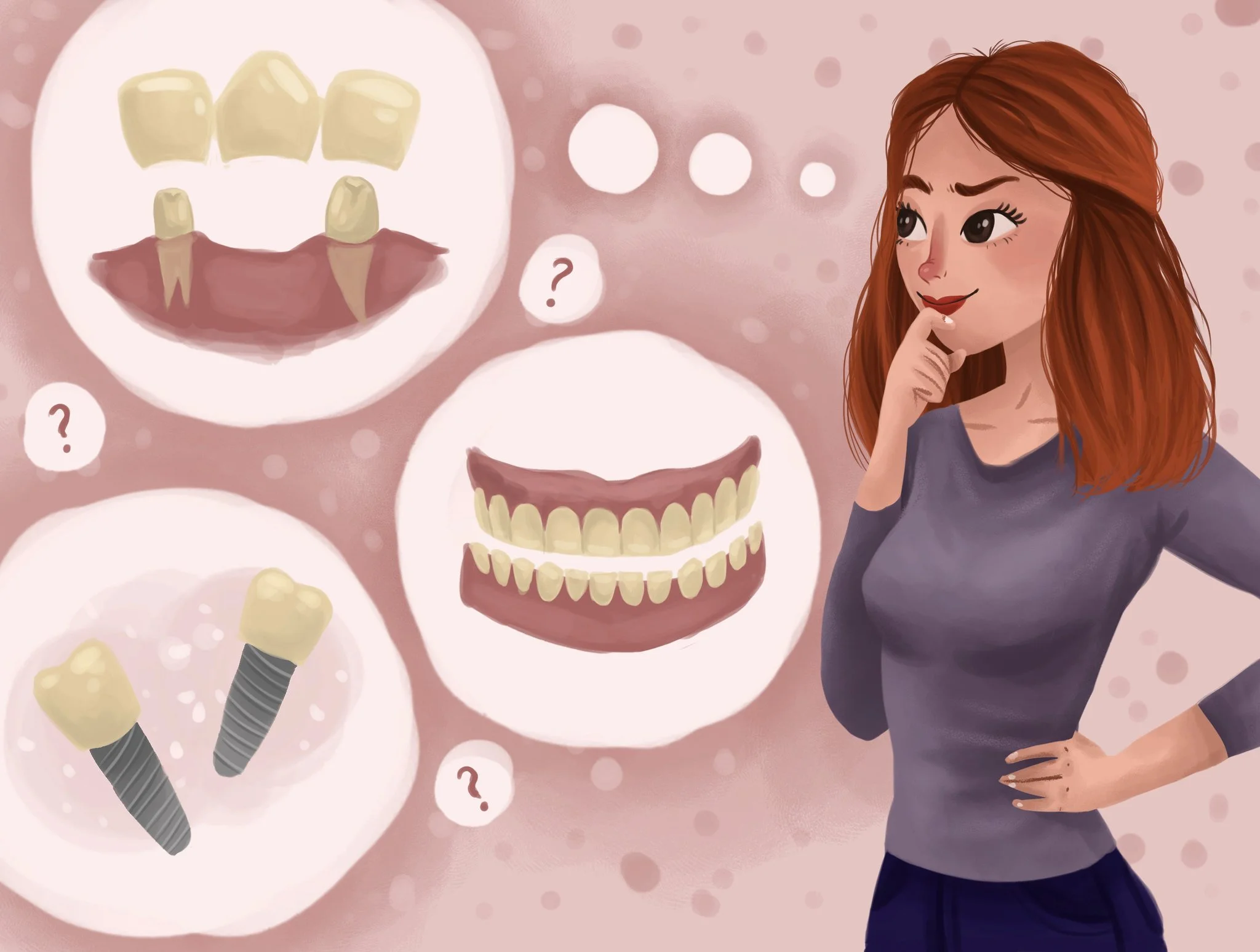
If you are missing a tooth, several teeth, or wearing a denture that is becoming harder to live with, you have probably reached the point where you want to know what your real replacement choices are. Maybe you keep chewing on one side, a gap catches your eye in every photo, or a removable appliance spends more time on the bathroom counter than in your mouth. At some point, working around missing teeth gets old.
At Chief Dental in Squamish, BC, Dr. Jonathan Visscher and Dr. Debra Matson can help you compare bridges, dentures, and dental implants based on what is actually going on in your mouth. A bridge uses neighbouring teeth for support, an implant is anchored in the jawbone, and a denture can replace several or all missing teeth with one removable appliance. Which one makes sense depends on the teeth you still have, the bone underneath, your bite, and what you want life with the replacement to look like once you are back home.
For example, if the teeth beside a gap already need crowns, a bridge may fit naturally with treatment they were going to need anyway. But if those teeth are healthy and untouched, an implant can replace the missing tooth without reshaping them. Meanwhile, if several teeth are gone, a denture or implant-supported restoration may let you deal with several spaces together instead of turning every gap into a separate project.
When a Bridge Works Well
A dental bridge replaces a missing tooth by using the teeth on either side for support. Those teeth are prepared for crowns, and the replacement tooth is joined between them. Once the bridge is cemented in place, it stays in your mouth for eating, speaking, and sleeping.
But the condition of those neighbouring teeth can change whether a bridge makes sense. If one or both already have large fillings, cracks, or older crowns, they may need restorative work whether you choose a bridge or not. In that situation, using those teeth to support the missing tooth can fit naturally with what is already happening.
Now picture the opposite situation: the teeth beside the gap have never needed crowns and are otherwise healthy. A traditional bridge would require reshaping them so crowns can fit over them, even though those teeth are not the ones that are missing. In that case, Dr. Visscher or Dr. Matson may also look at an implant, which can replace the missing tooth without preparing those healthy teeth.
When an Implant Makes Sense
Instead of using the teeth beside the gap, a dental implant is placed in the jawbone where the tooth is missing. After it heals, a crown is attached above it. For one missing tooth, that gives you a fixed replacement without adding crowns to neighbouring teeth.
So, if the teeth beside the gap are healthy, they can usually stay as they are. The implant site, however, has its own requirements. There needs to be enough bone in the right place to hold the implant securely.
If the tooth has been missing for a long time, some of that bone may have shrunk. In that case, grafting may be needed before or during implant placement. That adds another healing stage before the final crown can be finished.
When Several Teeth Are Missing
Once several teeth are gone, replacing every space separately may not make sense. A partial denture can replace several teeth at once, while a full denture replaces all of the teeth in an upper or lower arch. Depending on the situation, implants can also support a larger bridge or denture instead of replacing every missing tooth with its own implant.
Where those teeth are missing changes things as well. A missing front tooth may bother you most when you smile, while missing back teeth tend to announce themselves when dinner requires a little more chewing. If several gaps are spread around the mouth, Dr. Visscher or Dr. Matson will also look at which remaining teeth are strong enough to support new dental work.
Some teeth may be in great shape. Others may already have large fillings, crowns, wear, or gum problems. Looking at all of them together helps show which teeth can stay, which ones can provide support, and where a different approach may work better.
Where Dentures Fit In
Dentures are removable, so living with one is different from living with a bridge or implant crown. A partial denture fits around the teeth that remain, while a full denture replaces an entire upper or lower arch. Because one appliance can replace several teeth, dentures can cover several gaps without treating each one separately.
Of course, that also means taking the denture out for cleaning and usually removing it while you sleep. Some people are fine with that routine, while others get tired of it pretty quickly. If yours keeps ending up beside the toothbrush instead of in your mouth, tell Dr. Visscher or Dr. Matson.
Then there is the fit itself. As the gums and jaw change shape, a denture that once stayed put may start lifting, rubbing, or needing more adhesive. If you are pressing it back down with your tongue halfway through a meal, the denture should be checked instead of becoming something you spend every lunch managing.
Dentures: Removable or Implant-Supported?
A traditional denture gets most of its support from the gums and the shape of the jaw underneath it. An implant-supported denture connects to implants placed in the jaw, so it has added support while you eat and speak. Depending on the design, it may still be removable for cleaning.
With an upper denture, implants can sometimes change how much of the roof of the mouth needs to be covered. Traditional upper dentures often extend across the palate to help with support and suction. When implants provide enough support, some designs can leave more of the palate uncovered, which can make the denture feel less bulky and leave more of your mouth exposed while you eat, speak, and taste food.
Lower dentures have a different challenge because there is less surface area for them to rest on and the tongue is moving beside them all day. As a result, a lower denture may feel fine early in the day and start wandering once dinner gets a little chewier. Before implants are added, Dr. Visscher or Dr. Matson can check whether an adjustment, reline, or new denture would solve the problem first.
Is There Enough Bone for an Implant?
An implant needs enough jawbone around it for support. If the tooth was removed recently, there may still be plenty of bone in the area. If the space has been empty for years, however, some of that bone may have shrunk.
Dr. Visscher or Dr. Matson can use imaging to measure the site and see what is actually there. They can also check nearby structures and make sure there is room to place the implant where the new tooth needs to go. Sometimes the space looks wide open in the mirror, but the bone underneath is much narrower than you would expect.
If the bone is too thin, grafting may be needed before or during implant placement. That adds healing time before the final restoration is finished. If there is already enough bone, that extra step may not be needed.
What Will You Need to Do at Home?
Once you know which treatments are possible, picture your normal morning and evening. A bridge and an implant stay in your mouth, while a removable denture comes out for cleaning and is usually taken out while you sleep. If you already know you do not want to remove teeth every night, that may push you toward a bridge or implant.
With a bridge, you brush normally but also need to clean underneath the replacement tooth. An implant crown is brushed in place, with extra attention around the gumline. A denture comes out so you can clean the appliance, your gums, and any natural teeth that remain.
If implants support the denture, the attachment areas need cleaning too. Dr. Visscher or Dr. Matson can show you which brushes, flossing tools, or denture-cleaning steps go with your treatment. Better to know that before the new teeth are finished than meet a floss threader for the first time after everything is already in place.
How Long Does Treatment Take?
A bridge can often be completed sooner than an implant because there is no implant healing period. Dentures may also move along faster, although extractions and gum healing can still affect the schedule. If you need a visible tooth replaced before a certain date, bring that up before treatment begins.
Implants take longer because the bone has to heal around them before the final restoration is finished. If grafting is needed first, the timeline can stretch further. An implant is usually not the treatment you squeeze in between two busy weekends and call it done.
If you already have a wedding, trip, or packed stretch at work coming up, give Dr. Visscher or Dr. Matson those dates. They can explain when surgery, healing, temporary teeth, and the final restoration are likely to happen. That gives you a chance to plan around real dates instead of trying to untangle your calendar later.
What Does Each Option Cost?
Cost is part of the decision, and for most people it is a significant one. A bridge, denture, and implant involve different treatment, so the estimates will not look the same. An implant may include surgery, healing, and a final crown, while a bridge includes crowns on the teeth supporting it, and a denture may need adjustments or relines as the mouth changes.
At the same time, it helps to look beyond the first number. A lower upfront cost may come with more maintenance later, while a higher initial cost may include treatment that is designed to stay separate from neighbouring teeth. If a tooth supporting a bridge develops a major problem years from now, for example, the bridge may be affected too, whereas a single implant remains separate from the teeth beside it.
What you care about should be part of the comparison as well. You may be willing to spend more for something fixed, while someone else may prefer a removable option that involves less surgery. Dr. Visscher or Dr. Matson can break down what is included, what may need maintenance later, and where the differences in cost are coming from so you can weigh the treatment against your own priorities.
Grinding and Clenching
If you grind your teeth or clench your jaw, tell Dr. Visscher or Dr. Matson before the final replacement is made. Heavy bite forces can chip crowns, wear dentures, fracture natural teeth, and put extra stress on implant restorations. Unfortunately, dental work does not get the night off just because you are asleep.
You may already know you grind because you wake with tired jaw muscles or someone hears it at night. In other cases, worn tooth edges, chipped dental work, or repeated fractures are the first clues. Those patterns can affect the shape and material used for the replacement.
If you already wear a nightguard, bring it with you or let Dr. Visscher or Dr. Matson know. A new bridge or implant crown can change the bite enough that the old guard no longer fits correctly. In many cases, a new guard may be needed once the final dental work is in place.
Which Option Fits You Best?
If one tooth is missing and the neighbouring teeth are healthy, an implant may let those teeth stay untouched. If those neighbouring teeth already need crowns, a bridge may replace the gap while taking care of dental work that was already needed. When several teeth are missing, a denture or implant-supported option can replace several spaces together.
From there, the exam may narrow things down further. Is there enough bone for an implant? Are the remaining teeth strong enough to support a bridge or partial denture? Are you comfortable taking a denture out every day, or do you know you would rather have something fixed?
After Dr. Visscher or Dr. Matson examines your mouth and reviews the imaging, those questions can be answered using your own teeth. You can see which teeth would need crowns, whether grafting is needed, how long treatment would take, and what you would be cleaning at home. Two people can be missing the same tooth and still walk out with two very different plans.
Tooth Replacement at Chief Dental in Squamish, BC
If you are missing one tooth, several teeth, or wearing a denture that no longer behaves during meals, come see us at Chief Dental in Squamish. Dr. Jonathan Visscher and Dr. Debra Matson can look at the teeth you still have, the gaps you want to replace, the bone underneath, and the way your bite comes together. Then they can tell you which options are actually on the table for your mouth.
Tell us what has been happening at home too. Maybe you keep chewing on one side, your partial pops loose during meals, food gets stuck in the same gap every day, or you are simply tired of seeing that missing tooth in photos. Those are the things we want to hear because they show us what you are dealing with between dental visits.
If you are ready to compare bridges, dentures, and dental implants, schedule a consultation with Chief Dental in Squamish. We can take a look, explain what would need to be done, and answer your questions before you decide. We’d be happy to welcome you in, learn what you want to change, and help you choose a way forward that feels right for you!
Image from Authority Dental under CC 2.0